The mid-2026 open-weight surge: Kimi K3, GLM-5.2, and why open models keep improving
Kimi K3 is the headline of the 2026 open-weight surge, but GLM-5.2 is the model you can actually download today. Here is an honest read on both, plus why permissive open models matter for meeting notes.
Open-weight models have had an unusually strong middle of 2026. In the span of a few weeks, several labs released or announced models that are competitive with the best closed systems, under licenses that let anyone run them. The headline is Kimi K3 from Moonshot AI, announced on July 16, 2026. The model you can actually download and use today is GLM-5.2 from Z.ai. Both are worth understanding, and it helps to be honest about what is confirmed and what is still a promise.
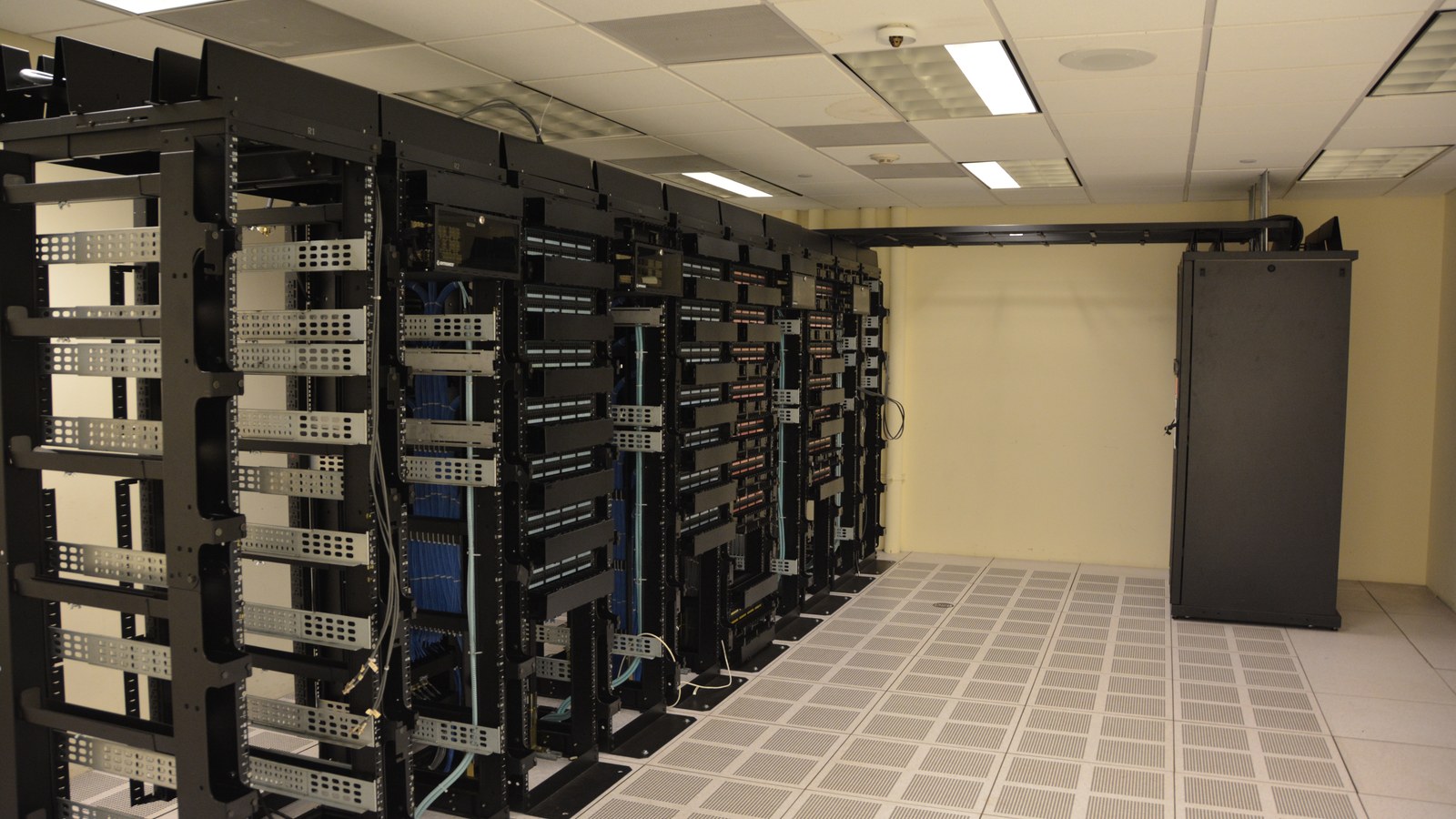
Image: Carl Lender, Wikimedia Commons, CC BY 2.0.
Kimi K3 is the headline, with real caveats
Kimi K3 is a very large open mixture-of-experts model in the 3-trillion-parameter class, reported at 2.8 trillion total parameters. That scale, released as an open model rather than a closed API, is what made the announcement notable. Moonshot AI positioned it as a frontier-level system, and independent testers have started to confirm parts of that claim.
The independent numbers are the ones worth quoting. On the Arena Frontend Code leaderboard, Kimi K3 ranked first at 1,679, ahead of Claude Fable 5. On Artificial Analysis's long-horizon agentic evaluation, it reached an Elo of 1547, behind only Fable 5, at roughly $0.94 per task. Those are strong results for an open model, especially on the cost side.
The caveats matter just as much. As of this writing, the weights are not downloadable yet. Moonshot AI promised them "by July 27, 2026," so at announcement time Kimi K3 was open in intent rather than open in practice. The license is expected to be a Modified-MIT variant, but that has not been confirmed, and the exact terms decide whether teams can actually build on it. The topline benchmarks in the launch material are also partly self-reported, which is exactly why the independent Arena and Artificial Analysis figures above are the ones to lean on. Kimi K3 looks like a genuinely important release, but "important" and "usable in production today" are not the same thing, and it is worth keeping those two ideas separate when you plan around it.
GLM-5.2 is the model you can use today
If Kimi K3 is the headline, GLM-5.2 from Z.ai is the anchor. Its weights are available now under the MIT license, and it currently sits at number one on the open-weight tier of the Artificial Analysis Intelligence Index v4.1. That combination of a permissive license and a top independent ranking is what makes it the practical choice for teams that want to deploy an open model rather than read about one.
The specifications back that up. GLM-5.2 is a 753-billion-parameter mixture-of-experts model with about 40 billion active parameters per token, and it supports a 1-million-token context window. In independent testing it beats GPT-5.5 on long-horizon coding tasks at roughly one-sixth of the cost. The main limitation is that it is text-only, so it does not cover image, audio, or video input the way some multimodal systems do. For a lot of real work, though, a top-tier text model with a million-token context and an MIT license is exactly what teams have been waiting for.
The rest of the surge
Kimi K3 and GLM-5.2 are the two to watch, but they are not alone. DeepSeek V4 Flash is the cheapest of the frontier-class open models and ships under MIT, which makes it attractive for high-volume workloads where cost per token is the deciding factor. MiniMax M3 is multimodal and currently leads the open-weight field on SWE-bench Pro, so teams that need image or document input alongside text have a credible open option. NVIDIA's Nemotron 3 Ultra, Alibaba's Qwen3.6, and Google's Gemma 4 round out a field that, taken together, means open weights are no longer a step behind the closed frontier so much as a few weeks behind it, and sometimes not even that. The practical takeaway is that "open" no longer implies "second best."
Why this matters beyond the leaderboards
Benchmark rankings are useful, but the more durable story is structural. Open models are getting better at long-context reasoning, they are getting cheaper per task, and more of them are shipping under licenses that allow real deployment. Those three trends compound. A team building on open weights in mid-2026 has more capable models, at lower cost, with fewer legal constraints, than it did even a quarter earlier.
That is directly relevant to how meeting transcription, translation, and summarization keep improving. Telli.sh already runs an open model, Qwen3, in its summarization layer. When the open ecosystem gains longer context windows, stronger multilingual reasoning, and more permissive licensing, the open-model layer underneath products like ours gets better and cheaper at the same time. A million-token context is not an abstract benchmark when it means a long meeting, a full interview, or an entire day of recordings can be reasoned over in one pass. Better speech recognition still needs a product layer that turns the transcript into reviewable notes, decisions, and action items, but the models feeding that layer are improving faster than they were a year ago.
The honest read
If you want to deploy something now, GLM-5.2 is the answer: available, MIT-licensed, and independently ranked at the top of the open-weight tier. If you want to know where the frontier is heading, watch Kimi K3, and check back after July 27, 2026, to see whether the weights and the license arrive as promised. Either way, the direction is clear. Open models are closing the gap, and the layer of products built on top of them is the part that turns raw capability into something a team can actually use.
Sources
- Simon Willison on GLM-5.2 (June 17, 2026)
- Simon Willison on Kimi K3 (July 16, 2026)
- OpenRouter, "The Open Weight Models that Matter: June 2026" (June 27, 2026)
- Tom's Hardware on Kimi K3 (July 2026)
- VentureBeat on GLM-5.2 (June 2026)
- Artificial Analysis on GLM-5.2
- Kimi K3 announcement (Moonshot AI)
- Wikimedia Commons image page
.jpg)